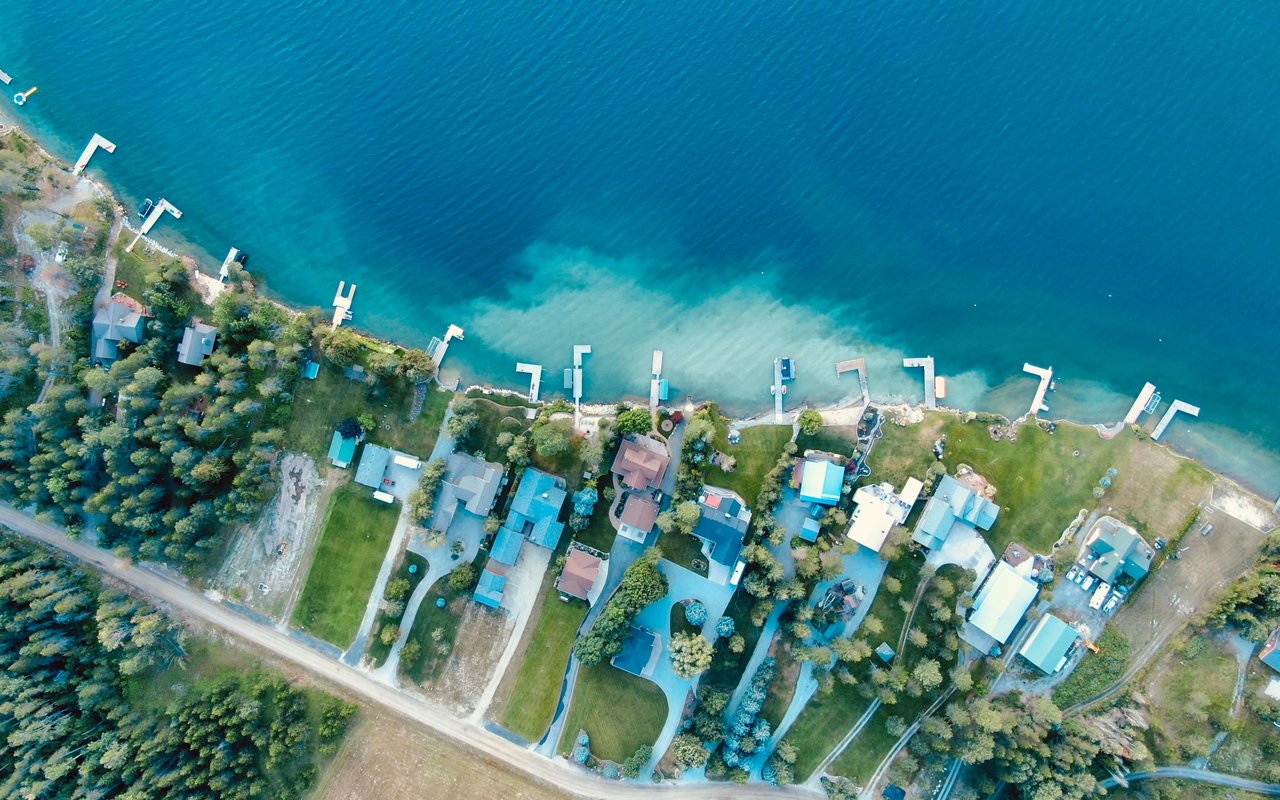
Whether you’re preparing to sell or to buy, understanding what’s allowed, what’s required, and what’s changed in recent years can save you time, money, and frustration. We consulted Gwen Victorson of the Idaho Department of Lands. Gwen regularly fields questions from property owners about the limits and responsibilities that come with owning shoreline property. Her advice: start early, know the rules, and don’t assume anything. When preparing to sell a waterfront home, many owners are unaware that long-standing features—such as docks, retaining walls, or landscaping—may no longer comply with current regulations. What was acceptable ten or twenty years ago may now fall outside of what’s permitted. Sellers are encouraged to review any existing encroachments or improvements and confirm whether the proper permits are on file. Transparency is key, and surprises during escrow rarely work in anyone’s favor.

Owners can take effective steps before listing. If you’re hoping to enhance a property’s appeal with upgrades, such as dock extensions or new stabilization features, contact the Department of Lands first. Even well-intentioned improvements may require approval—and some practices that were once common are now restricted under updated statutes.
Ask First: Buyers benefit from early contact with the department as well. When a property changes hands, the new owner is responsible for ensuring all waterfront improvements are permitted and compliant.
- Don’t assume that existing structures are automatically grandfathered in.
- Permits don’t transfer automatically.
- Changes, often small ones, trigger regulatory oversight.
- Don’t assume that if a neighbor has something, you can too. That’s not always the case.
- Your neighbors have a say. If what you’re planning affects your neighbors' access, view, or features, they will be asked to approve.
Regulations evolve, and historical allowances don’t necessarily set precedent. Before purchasing – or modifying – any waterfront property, it’s essential to understand the history and current standing of the improvements already in place.