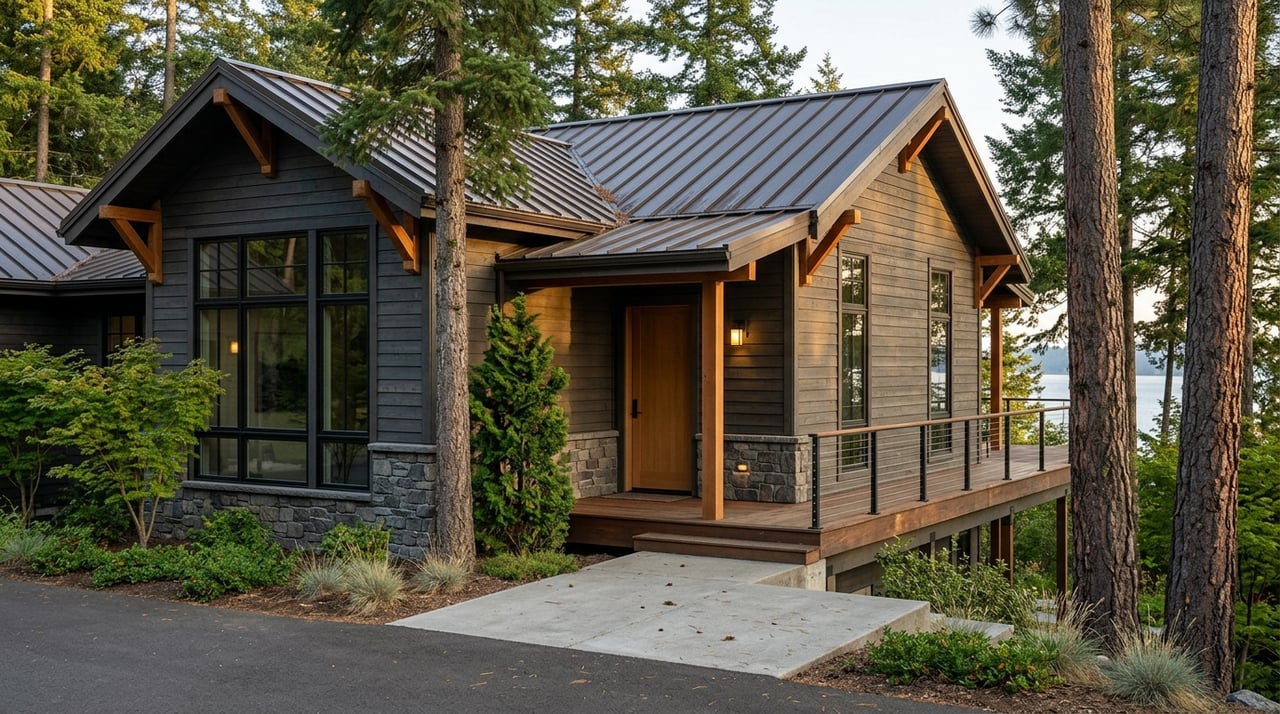
Trying to decide whether a Kootenai County property is truly waterfront or simply has a water view? That distinction matters more than many buyers and sellers realize. If you own, are considering, or may eventually sell a lake- or river-oriented home, understanding the difference can shape pricing, marketing, use, and long-term value. Let’s take a closer look.
Why the Difference Matters
In Kootenai County, “waterfront” is not just a marketing phrase. County code defines a waterfront lot as one that adjoins or abuts the high-water mark of a lake, river, or stream. That means a property can have a beautiful view of the water and still not qualify as waterfront.
This distinction matters because waterfront and water-view homes often appeal to different buyers. One group may want direct shoreline access and dock use. Another may want scenery, privacy, and lower maintenance without the added complexity of shoreline ownership.
What Counts as Waterfront
The simplest test is whether the parcel actually touches the high-water mark. In local planning terms, physical adjacency to the waterline is what separates waterfront from view property. In most cases, Kootenai County also treats the shoreline as the rear of a waterfront lot.
That means the value of a waterfront home is tied to more than the view. Frontage, access, shoreline condition, and existing improvements all become part of the property story.
Waterfront Is About Direct Access
A true waterfront property is generally the better fit if daily access to the lake or river is central to how you want to use the home. Current listings across Kootenai County often highlight direct frontage, shoreline access, private waterfront areas, and private docks.
This is why waterfront tends to stand apart as its own submarket. Buyers looking in this category are often focused on use first, then aesthetics.
Water View Is Not the Same Thing
A water-view home may overlook a lake or river from a bluff, hillside, or nearby neighborhood without touching the water at all. Some properties may sit in waterfront communities and offer access to a park, beach, or shared amenity, but that is still different from deeded shoreline frontage.
For that reason, you should never assume a “view” property includes private water rights or direct shoreline use. The view may be exceptional, but the ownership rights can be very different.
How Scarcity Affects Value
Waterfront is the smaller segment of the market. Current portal data in Kootenai County shows far fewer waterfront listings than view-oriented homes, even though the exact count varies by platform and filter. The broader point is clear: true waterfront is materially scarcer.
Scarcity often changes how a property is priced and marketed. In a market that had 724 homes sold year to date through April 2026, a median sale price of $544,900, and 883 active residential listings, waterfront sits in a narrower lane with its own buyer expectations.
Why Waterfront Often Commands More Attention
Housing research cited in the report shows that waterfront and water-view traits are often reflected in pricing, with dockability carrying particular weight. One study found a strong premium tied to properties that could build and use a dock compared with those that could not.
In practical terms, buyers tend to assign more value to features they can use every day. A panoramic view matters, but direct access to boating, swimming, or mooring can matter even more.
How Water-View Homes Compete
Water-view homes usually compete on a different set of strengths. These can include sightlines, elevation, lot size, privacy, and convenience to shared access points rather than private frontage.
For many owners, that can be an advantage. A view property may offer the visual appeal buyers want while avoiding some of the shoreline restrictions and maintenance responsibilities that come with true waterfront ownership.
Shoreline Rules You Need to Know
One of the biggest differences between waterfront and water view is regulation. In Kootenai County, the shoreline management area extends 25 feet landward from the ordinary high-water mark on recognized lakes, the Coeur d’Alene River, and the Spokane River.
Within that area, only certain low-impact activities are allowed outright. More substantial work may require a shoreline management plan.
Waterfront Use Is Regulated
If you own waterfront, direct access does not mean unrestricted use. Idaho Department of Lands states that lands below the ordinary high-water mark of navigable lakes and rivers are public trust lands held for public benefit.
That matters if you are thinking about a dock, marina, mooring buoy, or shoreline stabilization. Those improvements may require an encroachment permit, and some uses of submerged land may require a submerged land lease.
View Preservation Has Limits Too
Even if your main goal is improving or maintaining a water view, the county’s shoreline rules still matter. Kootenai County allows limited trimming for view corridors within the shoreline area, which shows how closely views, privacy, and shoreline protection are balanced.
In other words, owning near the water does not automatically give you complete freedom to alter vegetation or modify the site. That is important for both current enjoyment and future resale.
Lifestyle Differences Between Waterfront and Water View
The better choice depends on how you want to live with the property. Waterfront is usually best for buyers who want a dock-first lifestyle, direct access, and day-to-day use of the shoreline.
Water-view homes often better suit buyers who want the setting and scenery without making the shoreline the center of ownership. For some, that means a quieter and simpler ownership experience.
When Waterfront May Be the Better Fit
Waterfront may be the stronger fit if you value:
- Direct access to a lake or river
- Private frontage
- Existing dock infrastructure
- Boating, swimming, or waterfront recreation as part of daily life
- A property type that is typically scarcer in the market
When Water View May Be the Better Fit
Water view may be the stronger fit if you value:
- Scenery without direct shoreline responsibilities
- More flexibility in the homesite
- Elevation, privacy, or broader panoramic views
- Shared or nearby water access rather than private frontage
- A potentially lower-maintenance ownership experience
Due Diligence Questions That Matter
Whether you are buying, holding, or preparing to sell, the right questions can prevent confusion later. This is especially true in Kootenai County, where legal definitions and shoreline rules directly affect how a property can be used and marketed.
A careful review upfront helps you position the property correctly and avoid overstating features that buyers will verify during the transaction.
Key Questions to Ask
- Does the parcel actually touch the high-water mark?
- Is water access deeded private frontage, shared community access, or simply nearby proximity?
- Is there existing dock or shoreline infrastructure?
- If so, was it properly permitted?
- Has any shoreline work already been approved?
- Are there limits on trimming, access paths, or erosion-control improvements?
These details influence present use and future resale appeal. They also shape how a property should be priced and presented to the market.
What This Means for Sellers
If you are selling in Kootenai County, the waterfront-versus-view distinction should be handled with precision. True waterfront should be marketed around frontage, access, dock rights, shoreline condition, and permit history. Water-view homes should be positioned around sightlines, setting, privacy, lot character, and the type of access that actually exists.
That level of clarity is especially important in upper-tier and lifestyle-driven segments, where buyers are often comparing a small number of very specific options. When a property is unique, the story has to be accurate, defensible, and tailored to the right buyer.
For owners of waterfront, riverfront, and other uncommon North Idaho properties, that usually calls for more than broad exposure alone. It takes careful positioning, strong creative presentation, and a strategy built around how the property truly lives and what the next buyer will value most. If you are thinking about selling, Idaho Luxe offers specialized guidance for distinctive North Idaho properties.
FAQs
What is considered waterfront in Kootenai County?
- A waterfront lot is one that adjoins or abuts the high-water mark of a lake, river, or stream under Kootenai County code.
Can a Kootenai County home have a water view without being waterfront?
- Yes. A property can overlook the water and still not qualify as waterfront if it does not physically touch the high-water mark.
Do Kootenai County water-view homes usually include shoreline rights?
- Not necessarily. A water-view home may offer scenery or community access, but you should confirm whether any shoreline rights are deeded, shared, or absent.
Are docks and shoreline improvements regulated in Kootenai County?
- Yes. Shoreline work may be limited by county shoreline rules, and structures such as docks or stabilization improvements may require authorization from the Idaho Department of Lands.
Is waterfront property scarcer than water-view property in Kootenai County?
- Yes. Current listing data in the research report shows materially fewer waterfront listings than homes marketed with a view, even though counts vary by platform.
What should sellers verify before marketing a Kootenai County waterfront home?
- Sellers should confirm whether the parcel touches the high-water mark, whether dock or shoreline improvements are permitted, and whether access is private frontage, shared access, or simply proximity to the water.